
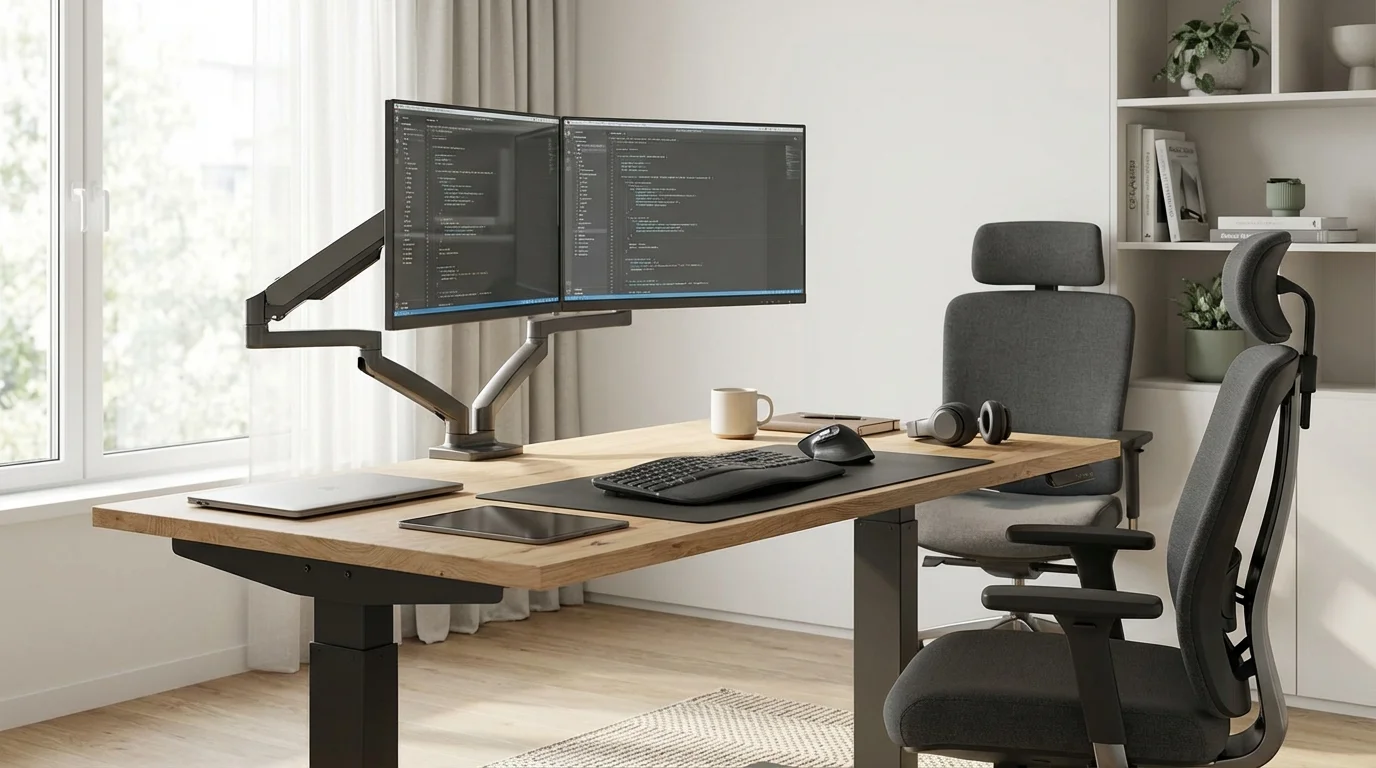
Best Standing Desks for Devs: 6 Tested, 1 Month Each
We coded at 6 standing desks for a month each. The $499 pick had less wobble than the $800 competitor.

James Carter
Feb 13, 2026
James Carter
February 13, 2026
Disclosure: This article contains affiliate links. We may earn a commission at no extra cost to you if you purchase through our links.
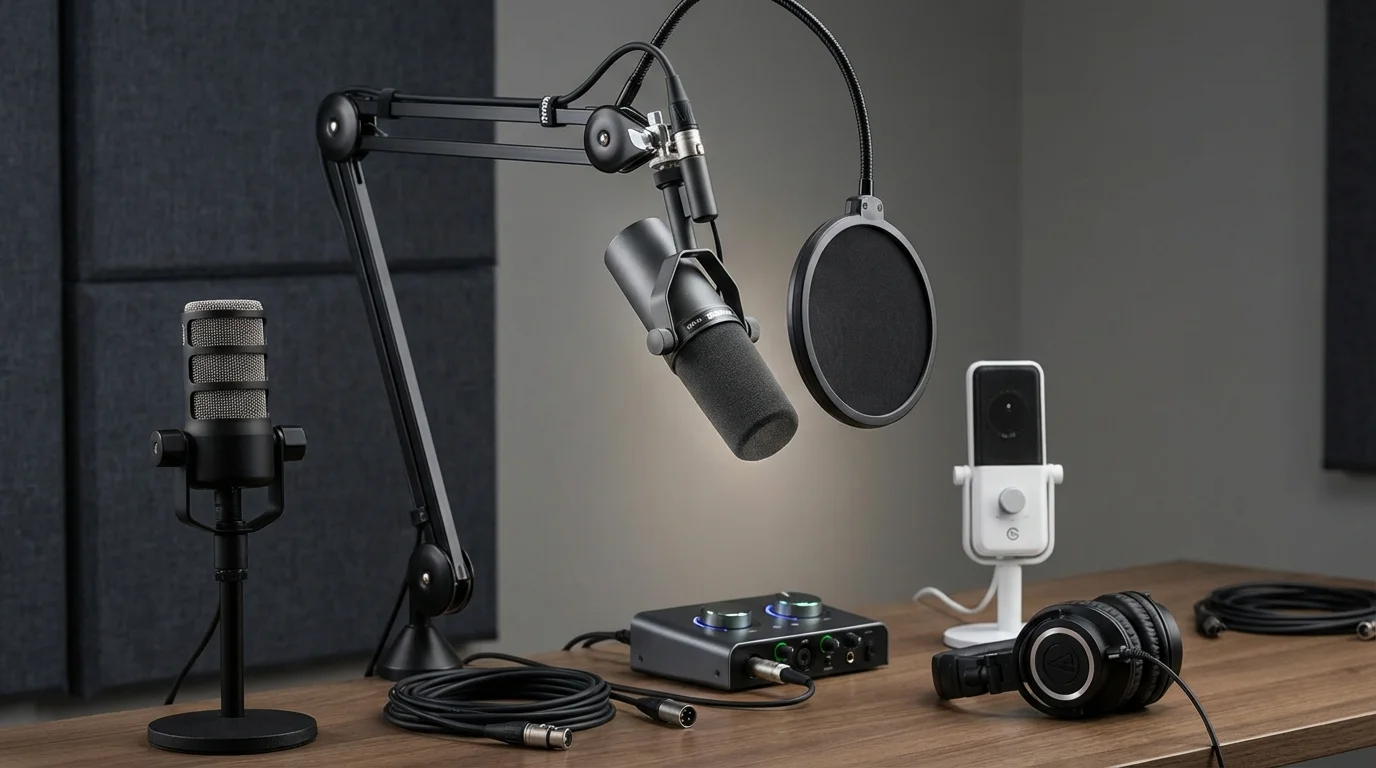
Audio quality makes or breaks a podcast. Listeners will tolerate imperfect video but will abandon a show with bad audio within 30 seconds. The difference between a $50 microphone and a $400 one is audible, but so is the difference between a $50 mic with good technique and a $400 mic with bad technique. Choosing the right microphone for your setup, environment, and budget matters more than buying the most expensive option.
We recorded identical voice samples with 6 microphones in three environments: a treated home studio, an untreated bedroom, and a noisy living room. We evaluated vocal clarity, background noise rejection, ease of setup, and how forgiving each mic was of imperfect recording conditions.
| Microphone | Best For | Type | Connection | Noise Rejection | Price | Our Rating |
|---|---|---|---|---|---|---|
| Shure SM7dB | Professional podcasting | Dynamic | XLR | Excellent | $399 | 9.4/10 |
| Rode PodMic USB | Best value | Dynamic | USB/XLR | Very Good | $99 | 9.1/10 |
| Elgato Wave:3 | Streamers | Condenser | USB | Good | $150 | 8.6/10 |
| Audio-Technica AT2020USB-X | Vocal clarity | Condenser | USB | Moderate | $130 | 8.3/10 |
| Blue Yeti X | Versatility | Condenser | USB | Moderate | $170 | 8.0/10 |
| Samson Q2U | Budget starter | Dynamic | USB/XLR | Very Good | $70 | 8.4/10 |
The Shure SM7B has been the podcast industry standard for over a decade. The SM7dB is its successor, adding a built-in preamp that solves the one complaint everyone had: the SM7B needed an expensive external preamp or a dedicated audio interface with high gain output.
The built-in preamp with +18dB and +28dB boost settings means the SM7dB works with any audio interface, even budget options with limited gain. This eliminates the hidden $100-300 cost of a CloudLifter or high-gain interface that the SM7B required.
The sound signature is why this microphone became legendary. Warm, intimate vocals with natural presence — the SM7dB makes voices sound like they belong on professional radio. The bass rolloff switch and presence boost switch let you shape the tone without external processing.
Dynamic pickup pattern rejects room noise exceptionally well. In our noisy living room test, the SM7dB picked up almost none of the background HVAC, traffic, or keyboard sounds that condenser mics captured clearly. For podcasters recording in untreated rooms, this noise rejection is the most important feature.
What We Liked:
What Could Be Better:
Our Verdict: The SM7dB is the best podcasting microphone available, and the built-in preamp finally removes the barrier to entry that the SM7B imposed. If you are serious about podcast audio quality and plan to produce content for years, this is the microphone to buy. The investment pays for itself in audio quality that listeners notice.
Pricing: $399.
The Rode PodMic USB is the microphone we recommend most often because it delivers 90% of the SM7dB's quality at 25% of the price. The dual USB/XLR connectivity means it works immediately via USB and can later connect to an audio interface when you upgrade your setup.
The dynamic capsule rejects background noise almost as well as the Shure. In our bedroom recording test, keyboard clicks and room echo were barely audible — a significant advantage over condenser microphones in the same price range. Podcasters recording in bedrooms, home offices, and other untreated spaces will appreciate this forgiveness.
Sound quality is warm and broadcast-ready out of the box. The internal DSP provides subtle compression and EQ that makes voices sound polished without external processing. For beginners who do not want to learn audio engineering, this plug-and-play quality is exactly right.
What We Liked:
What Could Be Better:
Our Verdict: The Rode PodMic USB is the best microphone for new and intermediate podcasters. The dual connectivity, excellent noise rejection, and broadcast-ready USB audio make it the smartest starting point. When you outgrow it, switch to XLR mode and connect to a proper interface — the microphone grows with you.
Pricing: $99.
The Samson Q2U is the most recommended budget podcast microphone for a reason — it costs $70, includes both USB and XLR connections, and sounds remarkably good for the price. Every major podcast educator recommends it as a starter mic, and our testing confirms that reputation is deserved.
As a dynamic microphone, the Q2U rejects room noise effectively. It is not as refined as the Rode or Shure, but for podcasters recording in bedrooms and home offices, the noise rejection is the most important quality at this price point. It sounds better in a bad room than a $200 condenser microphone would.
What We Liked:
What Could Be Better:
Our Verdict: The Samson Q2U is the best way to start podcasting without financial risk. At $70 with everything included, you can record your first episodes and decide if podcasting is for you before investing in premium equipment. Most listeners will not notice the quality difference versus $200+ microphones in podcast format.
Pricing: $70 (includes stand, windscreen, USB cable, XLR cable).
For professional quality: Shure SM7dB is the industry standard for a reason.
For best value: Rode PodMic USB delivers near-professional quality at $99.
For streaming: Elgato Wave:3 with Wave Link software controls your audio mix.
On a tight budget: Samson Q2U at $70 gets you started with dual connectivity.
USB vs XLR: Start with USB for simplicity. Move to XLR when you want more control and are ready to invest in an audio interface.
Do I need an audio interface for podcasting? Not if you choose a USB microphone. The Rode PodMic USB, Elgato Wave:3, and Samson Q2U all connect via USB and work immediately. An audio interface becomes valuable when you want to use multiple microphones, add hardware processing, or achieve the highest possible audio quality.
Dynamic vs condenser — which is better for podcasting? Dynamic microphones (Shure, Rode PodMic, Samson Q2U) reject background noise better and are more forgiving of untreated rooms. Condenser microphones (Elgato Wave, Audio-Technica) capture more vocal detail but also pick up room echo, keyboard clicks, and ambient noise. For home recording without acoustic treatment, dynamic is almost always the better choice.
How close should I be to the microphone? Dynamic microphones sound best at 2-6 inches. Condenser microphones work well at 6-12 inches. The Shure SM7dB specifically benefits from close-mic technique — getting close produces the warm, intimate sound it is known for.
Is the Shure SM7dB worth $399? For professional podcasters producing regular content, yes. The audio quality difference is audible and contributes to listener retention. For hobbyists or new podcasters uncertain about their commitment, the Rode PodMic USB at $99 is the smarter starting investment.
Start with the Rode PodMic USB ($99) — it offers the best balance of quality, value, and growth potential for most podcasters. If you are certain about your commitment to podcasting, the Shure SM7dB ($399) delivers professional broadcast quality that justifies the investment. And if budget is the primary constraint, the Samson Q2U ($70) gets you recording immediately with surprisingly good results.
We coded at 6 standing desks for a month each. The $499 pick had less wobble than the $800 competitor.
James Carter
Feb 13, 2026
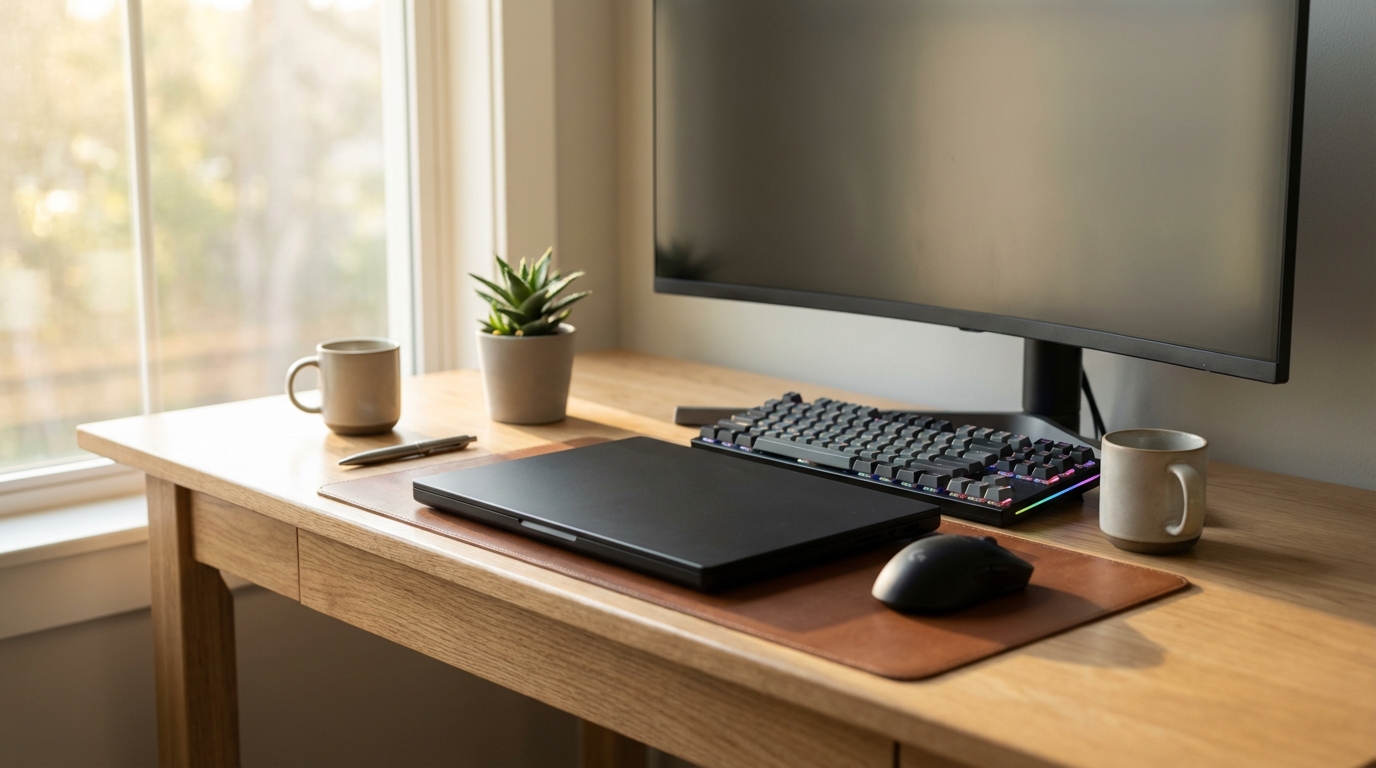
An ex-engineer's honest picks for coding and AI work on a budget, with the RAM, GPU and Linux tradeoffs that actually decide it.

James Carter
Jun 16, 2026
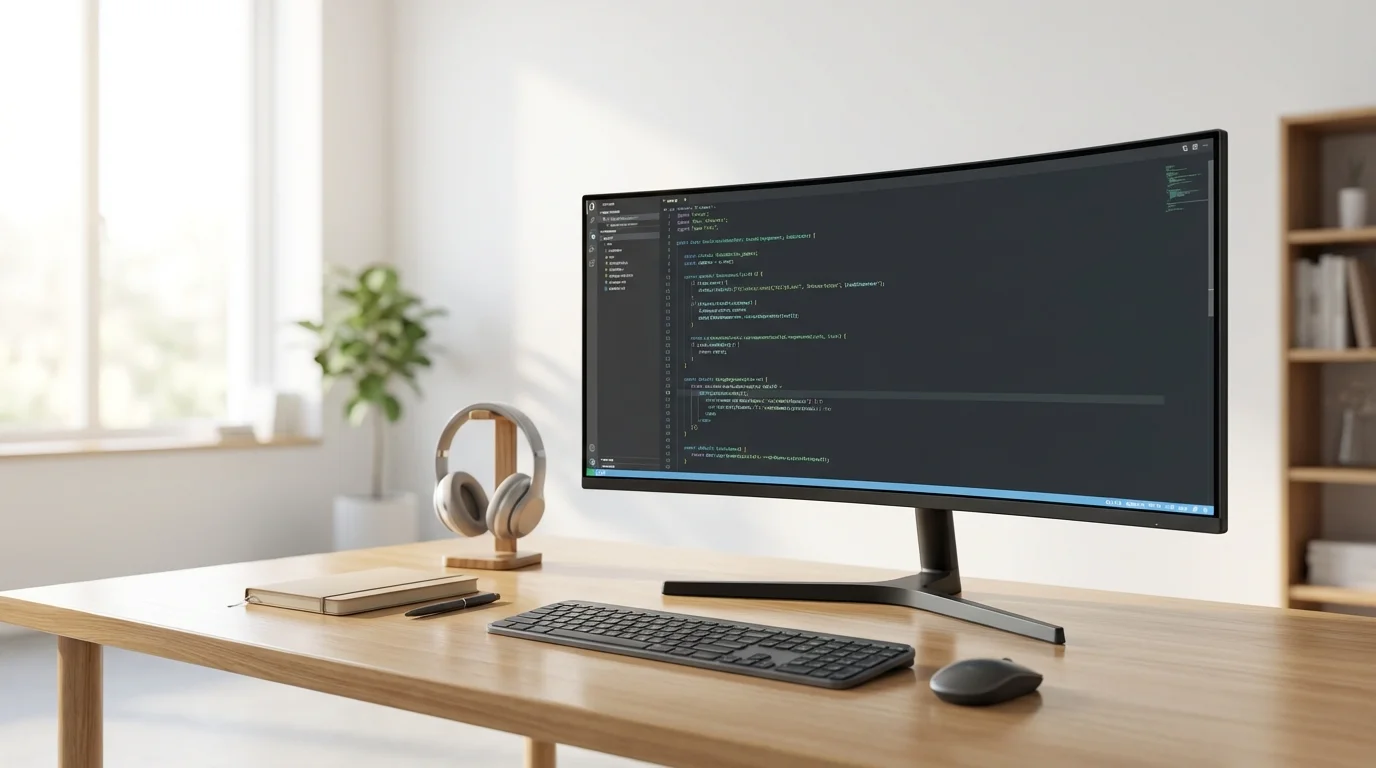
A former engineer's honest pick of 4K, ultrawide and 5K monitors for coding, judged on text sharpness, vertical space and one-cable USB-C.
James Carter
Jun 16, 2026